

There was almost no greenscreen. Double Negative's renderings of the wormhole and black hole were projected around the sets so the actors could see them.
Source: Empire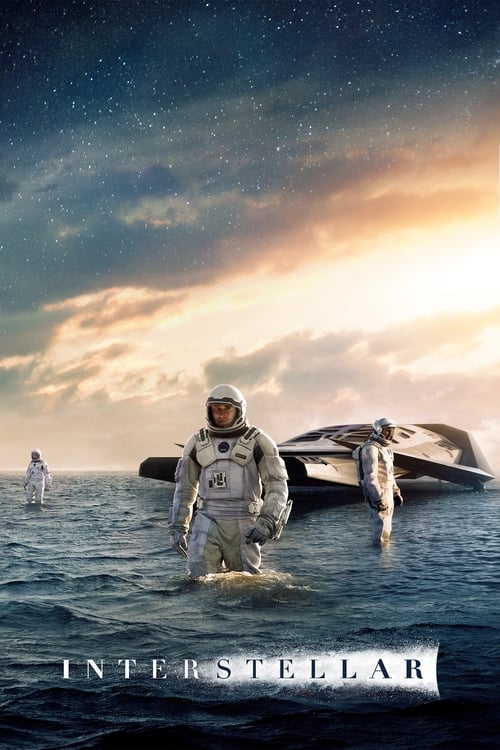
Interstellar
Crops are failing and dust storms cover what's left of American farmland. Cooper, a former NASA pilot raising two kids on a corn farm, is asked to fly through a wormhole near Saturn to look for a new home for humanity.
Watch special features
Where to watch
Stream
Apple TV, Paramount Plus Premium, Paramount Plus Essential, Paramount+ Amazon Channel, Paramount+ Roku Premium Channel, Apple TV Amazon Channel
Rent
Amazon Video, Apple TV Store, JustWatch TV Store, Google Play Movies, YouTube, Fandango At Home, FlixFling, Plex
Buy
Amazon Video, Apple TV Store, Google Play Movies, YouTube, Fandango At Home
In the US, via JustWatch
Behind the scenes
Start with Paramount's footage from the sets, then the Academy's conversation with Nolan's team.

Podcasts
Episodes where the film gets a full breakdown.
Timeline
A physicist's idea that passed from Spielberg to Nolan, shot with almost no greenscreen.
- 2006DevelopmentProducer Lynda Obst and physicist Kip Thorne develop it at Paramount. Spielberg signs on and hires Jonathan Nolan to write.Empire ↗
- 2013AlbertaA corn farm is planted at Okotoks, outside Calgary, for the Cooper farm.Empire ↗
- 2013IcelandThe ice and water planets are shot in southern Iceland. A windstorm in September shuts production for two days.Empire ↗
- 2014ReleaseOpens in the US on November 7.Empire ↗
- 2015ScienceThorne and the Double Negative team publish a paper on how they rendered the black hole.Physics World ↗
Production notes
Stories from the making of the film, each linked to the article it came from.
The Ranger spaceship was built at about 80 percent scale, weighed 12 tons, and was flown to Iceland in a 747 for the water planet.
Source: EmpireHoyte van Hoytema modified an IMAX camera so he could shoot handheld inside the spacecraft sets.
Source: EmpireBill Irwin physically performed the robots and voiced TARS. The robots were real props of about 200 pounds.
Source: EmpireTo render Gargantua, Thorne and Double Negative wrote new software that traces bundles of light rather than single rays, which stopped distant stars from flickering.
Source: Physics WorldTheir work on the film led to a paper in the journal Classical and Quantum Gravity.
Source: Physics WorldNolan asked Zack Snyder, who had grown corn for Man of Steel, how much could really be grown.
Source: CinemaBlendThe production gambled about $100,000 on the corn and, Nolan said, made money selling the crop.
Source: CinemaBlendCast and crew
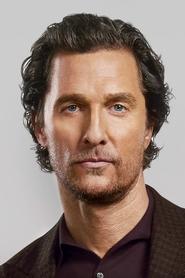 Matthew McConaugheyCooper
 Anne HathawayBrand
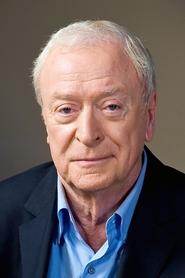 Michael CaineProfessor Brand
 Jessica ChastainMurph
 Casey AffleckTom
 Wes BentleyDoyle
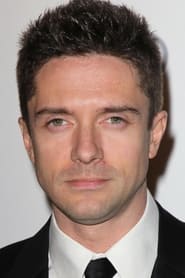 Topher GraceGetty
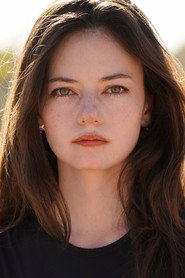 Mackenzie FoyMurph (10 Yrs.)
 Ellen BurstynMurph (older)
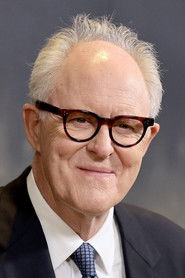 John LithgowDonald
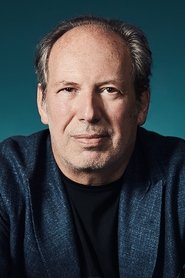 Hans ZimmerComposer
 Hoyte van HoytemaCinematographer
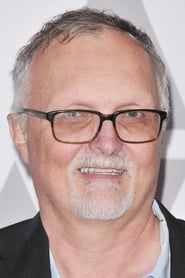 Lee SmithEditor
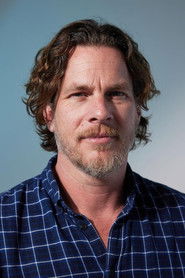 Jonathan NolanWriter
 Christopher NolanDirector and writer
Reviews
What critics said then, and what film fans say now.
The critics
RogerEbert.com
The critics had their say. Now it's your turn.See what everyone else who just watched it thought, one star rating at a time.
Read viewer reviews on Letterboxd ↗
There's something pure and powerful about this movie.Read the review ↗ Reelviews
It's an amazing achievement that deserves to be seen on the biggest screen with the best sound system possible.Read the review ↗ Empire
Interstellar stands as Nolan's most human film to date.Read the review ↗ Rolling Stone
It's hard not to root for a visionary who's reaching for the stars.Read the review ↗ The Austin Chronicle
There's a lot to admire in that.Read the review ↗
The newsletter
Get the extras in your inbox.
- The latest New films, new videos and the best extras we just found.
- Backstories Stories from the making of the films, and the people who made them.
- Collections New collections of films and videos, picked around a theme.
- Giveaways Subscribers get a shot at free merch.
A physicist's idea, built on stages and in Iceland
Kip Thorne and Lynda Obst started it as a story built on real physics. Spielberg developed it with Jonathan Nolan writing, then left, and Christopher Nolan took it over and rewrote his brother's script. Paramount and Warner Bros. split it.
Nolan shot on film and IMAX, planted a real cornfield in Alberta, and projected the space effects around the actors instead of using greenscreen. The black hole renderings were accurate enough to become a physics paper.
By the numbers
- US release
- Nov 7, 2014
- Oscars
- 1 of 5
Oscar win, 87th Academy Awards
- Visual Effects
Also nominated for Hans Zimmer's score, Production Design, Sound Editing and Sound Mixing.